
The quiet checklist
The obvious final gesture is locking the door. The more useful preparation begins earlier: checking shutters and windows, deciding what should remain ventilated, putting away light outdoor furniture and looking at vegetation close to the house.
Water deserves particular attention. The correct choice depends on the property and its systems, but knowing where the main shut-off is, checking for visible leaks and agreeing what remains active avoids improvisation later. Electrical equipment, heating and irrigation also need a property-specific plan rather than a generic rule.
A house still lives through the weather
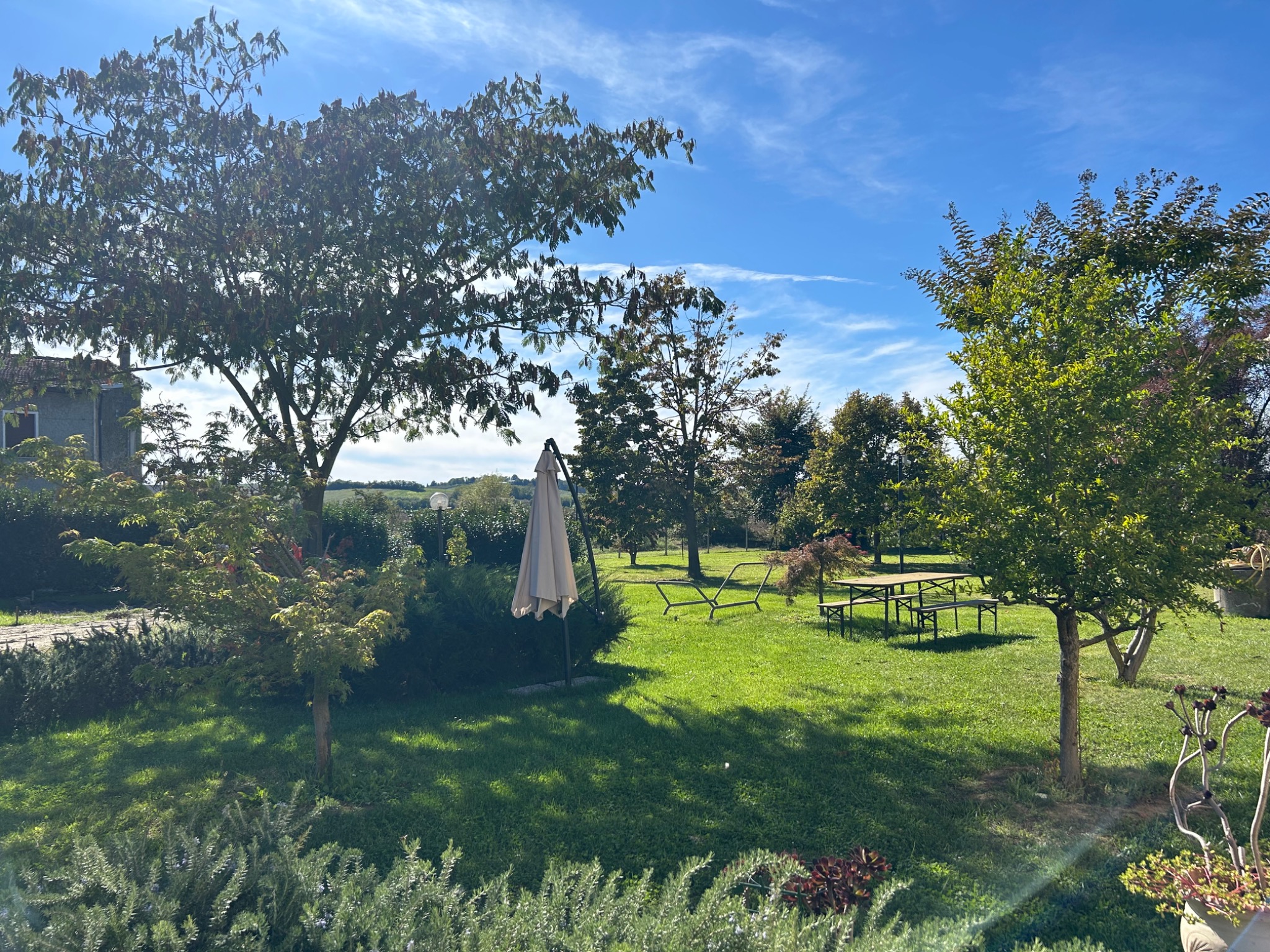
A country property can change quietly during an absence. Leaves collect near drains, branches move, insects find sheltered spaces and prolonged heat or rain affects the garden. None of these things automatically means there is a problem; they simply explain why a dated visual check can be reassuring.
The most useful record is simple: what was accessible, what was observed and what looked different from the previous visit. It is not a technical inspection and should never be presented as one. If something concerning is visible, the owner can decide whether to appoint the appropriate qualified professional.
Sources and editorial note
The article is written in original language for My Private Property Care. Sources support the factual context; no source text has been reproduced.
- Italian Civil Protection — weather and hydrogeological preparedness ↗
- Original local observationThe household checklist is original editorial content and must be adapted to the individual property and its systems.