A house follows the sun
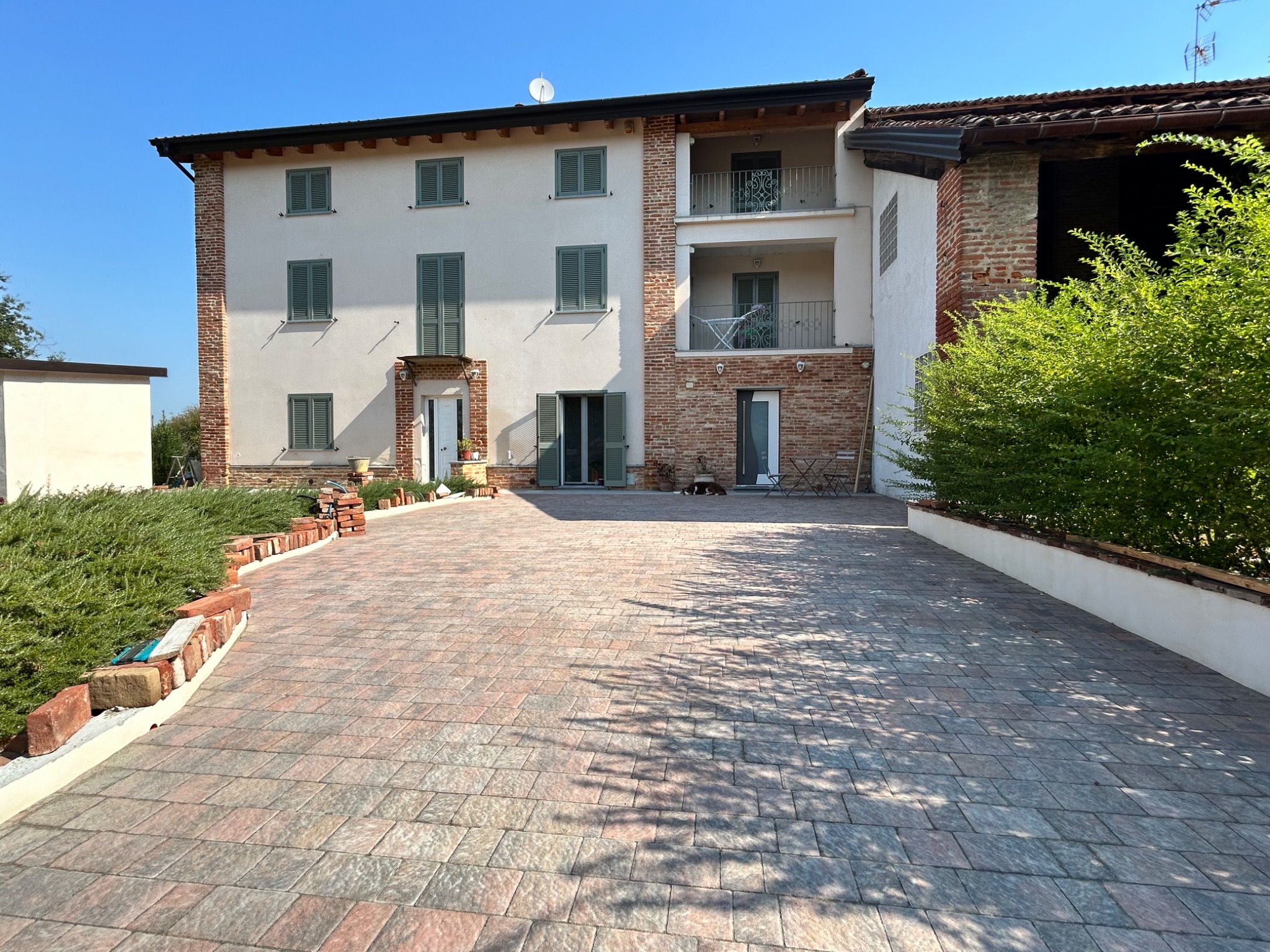
The afternoon sun that makes Piedmont so beautiful can also heat glass and interiors very quickly. External shutters reduce the amount of direct sunlight reaching the windows. This is why a local routine is rarely as simple as opening everything in the morning and leaving it that way all day.
Many Italians adjust shutters according to the orientation of the house: closing the side exposed to the strongest sun while keeping a shaded side available for light or air. The result may appear dark from outside, but inside it can make the rooms noticeably more comfortable.
Light, air and weather
The useful habit is to think about three things together: direct sun, ventilation and changing weather. Airing the house when outdoor temperatures are lower can help; leaving windows open during the hottest hours may do the opposite. A sudden summer storm can also bring wind, heavy rain or hail, so shutters and outdoor objects deserve a second thought before a house is left empty.
When a country house will be empty for several months, some owners choose to leave one or two suitable windows in a secure ventilation position so that a little air can continue to circulate, helping to reduce excess humidity and the stale smell of a long-closed interior. These should be openings protected from driving rain, strong currents and easy external access—never windows whose position could compromise security, alarms, insurance conditions or the weather-tightness of the house. In other properties, controlled mechanical ventilation or regular supervised airing may be the safer solution.
Every property behaves differently. Thick masonry, window orientation, shade, altitude and ventilation all matter. The local lesson is not ‘always close everything’, but to manage the house deliberately instead of treating every room in the same way.
Sources and editorial note
The article is written in original language for My Private Property Care. Sources support the factual context; no source text has been reproduced.
- ENEA — research on solar shading and building comfort ↗
- ENEA — ventilation, indoor air quality and excess humidity ↗
- Original local observationThe practical routine described here is original editorial content based on living in and caring for a home in Monferrato.